
VETERINARY PATHOBIOLOGY
The Department of Veterinary Pathobiology (VTPB) studies mechanisms of disease to improve the health of animals, humans, and the environment. Specialty areas include wildlife health, infectious diseases, metabolic diseases, genetics/genomics, neuroscience, cardiovascular science, and immunology.
News
Academics
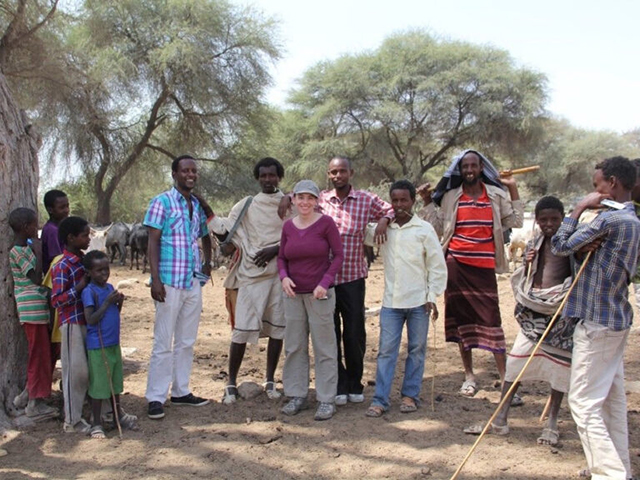
Veterinary Pathobiology integrates fundamental concepts in biology, medicine, and public health, particularly as applied to infectious diseases. The discipline applies the latest research technologies to the study of viral, bacterial and parasitic diseases, and emphasizes the preventive as well as the curative. Areas of interest include immunology, molecular biology, pathology, genetics, and genomics.
Texas A&M Veterinary Medicine & Biomedical Sciences (VMBS) offers MS and PhD graduate programs in Biomedical Sciences (BIMS). VTPB faculty are also members of interdisciplinary programs in ecology and evolutionary biology, genetics, neuroscience, and toxicology.
Faculty also teach in the Doctor of Veterinary Medicine (DVM) Professional and the Biomedical Sciences (BIMS) Undergraduate programs.
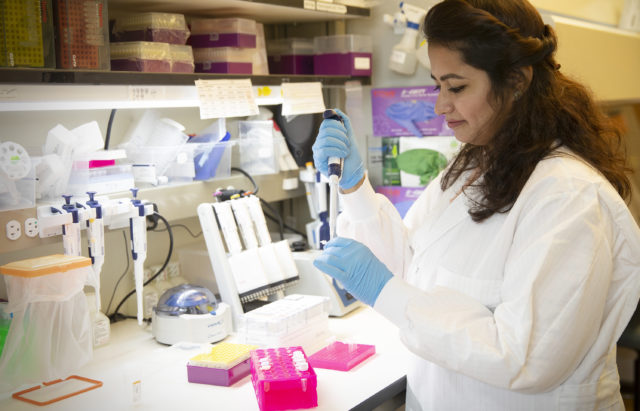
Residencies
Pathology
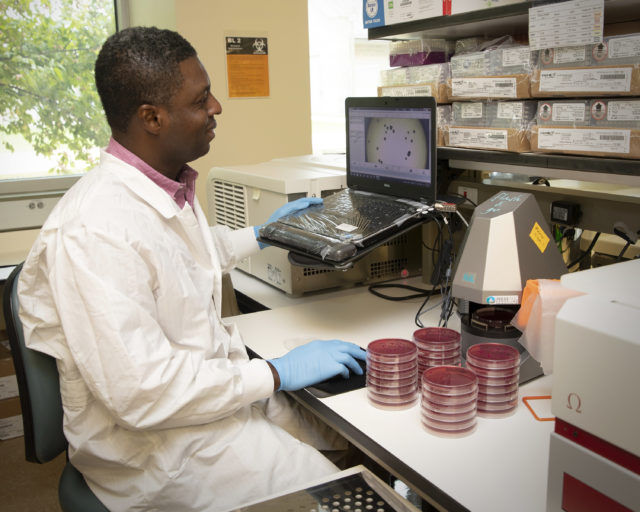
The program trains veterinarians to become competent diagnostic pathologists with a good foundation for graduate research training. The three-year program in either clinical or anatomic pathology fulfills the eligibility requirements for the American College of Veterinary Pathologists (ACVP) certification examination, and the program has an outstanding record of trainees becoming ACVP diplomates.
Comparative Medicine
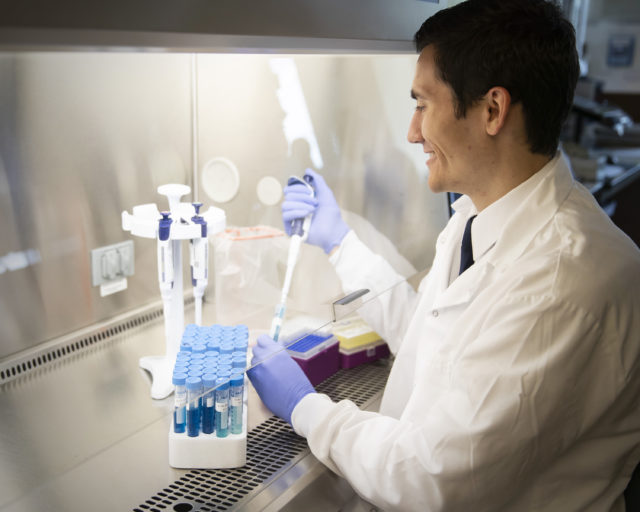
The three-year program prepares veterinarians for the American College of Laboratory Animal Medicine (ACLAM) board certification and provides a broad foundation in comparative medicine. Residency training includes clinical laboratory animal medicine, laboratory animal resources and facilities management, comparative and diagnostic pathology, and methods and practice of biomedical research.
Services & Labs
These services and laboratories are housed within VTPB. Visit our Services page for descriptions.
- DNA Technologies Laboratory
- Dermatopathology Service
- Digital Imaging & Gel Documentation Facility
- Flow Cytometry Facility
- Necropsy Service
- Veterinary Biorepository
Contact Us
Department of Veterinary Pathobiology (VTPB)
Texas A&M Veterinary Medicine & Biomedical Sciences (VMBS)
4467 TAMU | College Station, TX, USA 77843-4467
Phone: 979.845.5941 | Fax: 979.458.0321